Introduction
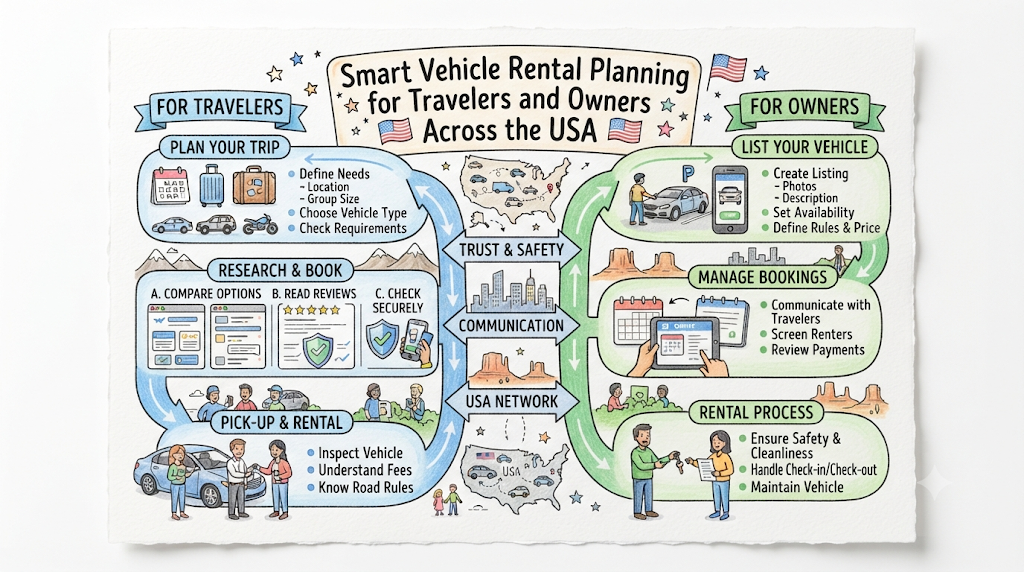
Finding the right rental vehicle can make any trip easier. Some travelers need a car for family holidays. Others prefer motorcycles for weekend rides or scooters for local travel. Vehicle owners may also want to explore rental opportunities. However, every rental needs careful planning. You should compare vehicle options, check rental terms, and understand safety rules. Online marketplaces give people another way to explore local vehicles. They can also connect independent owners with potential renters. This guide covers vehicle rental choices across the United States. It explains how to compare options, prepare vehicles, and make informed decisions. It also explores how MotoShare USA supports vehicle rental discovery.
How Vehicle Rental Needs Change Across the USA
The United States offers many travel experiences. A person visiting a busy city may need a compact car. Someone exploring scenic roads may prefer a motorcycle. A short local trip may work well with a scooter.
Your location and travel plans should guide your choice.
For example, city travel often involves traffic and limited parking. A smaller vehicle may help with some local journeys. Long-distance travel requires more attention to comfort, storage, and fuel costs.
Weather also affects vehicle choice. Rain, heat, snow, and strong winds can change travel conditions. Check the local forecast before choosing a vehicle.
Consider these common travel situations:
- Daily errands: A compact car may suit regular transportation.
- Weekend travel: A motorcycle can support a planned leisure ride.
- Family holidays: A larger car may offer useful passenger space.
- Local exploration: A scooter may suit some short journeys.
- Business trips: A comfortable car can support scheduled travel.
- Scenic routes: A suitable motorcycle may offer a different travel experience.
The best choice depends on your needs. Think about distance, passengers, luggage, weather, and driving experience.
Understand the Main Vehicle Rental Categories
Vehicle rental marketplaces can include several types of vehicles. Each category serves different travel needs.
Motorcycle Rentals for Leisure and Road Travel
Motorcycles attract people who enjoy riding. They can suit weekend trips, local travel, and longer road journeys.
Different motorcycle styles offer different riding experiences.
- Touring motorcycles often suit longer journeys.
- Cruisers may appeal to leisure riders.
- Standard motorcycles can support everyday travel.
- Sport motorcycles focus on responsive handling.
- Adventure motorcycles can suit selected mixed-road journeys.
Do not choose a motorcycle based only on appearance. Check its weight, seat height, engine size, and riding position.
Your experience matters too. A powerful motorcycle may not suit someone with limited riding experience. Choose a model that you can control with confidence.
Car Rentals for Personal and Family Transportation
Cars offer flexibility for many types of travel. They can suit families, business travelers, couples, and people who need temporary transportation.
Common rental choices include:
- Economy cars for basic travel.
- Compact cars for city journeys.
- Sedans for personal and business trips.
- SUVs for extra passenger and luggage space.
- Vans for larger groups.
- Premium cars for special occasions.
Check the seating capacity before booking. Also review luggage space and fuel needs.
A vehicle that looks suitable in photos may not fit your actual requirements. Confirm its features before making a decision.
Scooter Rentals for Short Local Journeys
Scooters can help with short-distance travel and local exploration. Their smaller size may suit some busy areas.
However, scooter types and road rules can differ. Electric scooters and motor scooters do not always follow the same requirements.
Before booking, check the vehicle type and local rules. Review license needs, helmet requirements, passenger limits, and permitted roads.
Choose a scooter only when it matches your route and experience.
How to Compare Vehicle Rentals Before Booking
A good rental decision requires more than checking the daily price. You should understand the full rental arrangement.
Start with your preferred dates. Then compare vehicles that fit your travel needs.
| Rental factor | What to review | Why it matters |
|---|---|---|
| Vehicle type | Car, motorcycle, or scooter | Matches your travel purpose |
| Rental period | Start and return dates | Avoids schedule problems |
| Daily rate | Listed rental amount | Supports price comparison |
| Mileage | Distance limits and charges | Helps plan longer trips |
| Insurance | Coverage and exclusions | Clarifies financial responsibility |
| Deposit | Amount and refund terms | Helps manage your budget |
| Pickup | Location and collection time | Makes travel planning easier |
| Cancellation | Change and refund rules | Helps handle unexpected changes |
Ask for clarification when a listing leaves out important details. Do not assume that every provider follows the same rules.
Also check whether the listed price includes all required charges. Some rental costs may appear separately in the agreement.
Finding Motorcycle Rentals Near Me
Searching for motorcycle rentals near me can help you discover local rental options. This search can also help when you travel to another city.
Start with the area where you want to collect the motorcycle. Then compare listings based on your dates and riding needs.
Follow these steps:
- Enter your preferred city or destination.
- Choose your planned rental dates.
- Compare motorcycle types and models.
- Review rental prices and conditions.
- Check license and age requirements.
- Understand mileage and fuel rules.
- Review insurance information.
- Confirm pickup and return arrangements.
- Ask the provider about unclear details.
- Inspect the motorcycle before riding.
A nearby result may not always offer the right motorcycle. Consider the distance to the pickup location and your accommodation.
Also confirm current availability directly. Search results and vehicle listings can change.
What to Check in a Motorcycle Listing
A useful listing should explain the motorcycle clearly.
Look for details such as:
- Make and model.
- Engine size.
- Seat height.
- Transmission type.
- Vehicle condition.
- Available rental dates.
- Mileage conditions.
- Pickup location.
- Required rider documents.
- Included equipment.
Clear photos can help you understand the motorcycle’s appearance. But photos cannot replace a physical inspection.
Ask about maintenance history when possible. Confirm whether the owner or provider allows a short inspection before departure.
How Peer-to-Peer Motorcycle Rental Works
A peer-to-peer motorcycle rental connects riders with independent motorcycle owners through an online marketplace.
This model gives owners a way to present eligible motorcycles. Riders can explore those listings and review the rental terms.
The process usually includes several steps:
- An owner prepares a vehicle listing.
- The listing includes motorcycle details and photos.
- A rider searches for a suitable option.
- Both sides review the rental conditions.
- The rider checks license and eligibility rules.
- The owner or provider confirms the arrangement.
- Both sides follow the agreed pickup process.
- The renter returns the motorcycle under the agreed terms.
Each marketplace may use a different process. Some may offer different booking tools, support services, and payment arrangements.
Read the platform rules before booking. Understand how it handles cancellations, disputes, and customer questions.
How Riders Can Benefit
Peer-to-peer marketplaces may provide another way to explore motorcycle options.
Riders can compare participating vehicles and review owner-provided details. This may help them find a motorcycle that matches their planned journey.
However, a marketplace listing does not guarantee that a motorcycle suits every rider. Review the model, condition, rental terms, and insurance requirements.
What Owners Should Consider
Owners can explore opportunities to reach potential renters. But rental activity also creates responsibilities.
They should check insurance, registration, maintenance, and local rental rules. They should also confirm that their motorcycle meets platform requirements.
Never assume that a personal motorcycle policy covers paid rentals. Ask the insurer about rental use before listing the vehicle.
Traditional Motorcycle Rentals and Peer-to-Peer Rentals
Both rental models help riders access motorcycles. However, their operating structures may differ.
| Factor | Traditional rental company | Peer-to-peer marketplace |
|---|---|---|
| Vehicle source | Company fleet | Independent owners or rental partners |
| Vehicle selection | Company inventory | Participating vehicle listings |
| Main contact | Company team | Platform and vehicle provider |
| Pickup process | Company location or arranged site | Depends on the listing |
| Rental terms | Company policy | Platform and provider conditions |
| Vehicle information | Company listing | Owner or provider details |
| Support process | Company support system | Marketplace support rules |
Neither model always offers the lowest price or the best fit. Compare the complete rental arrangement.
A traditional company may provide a standard process. A peer-to-peer marketplace may offer different vehicle choices.
Your destination, budget, experience, and schedule should guide the decision.
Choosing Car Rentals Near Me
A search for car rentals near me can help you explore vehicles around your location. It can also support planning when you visit another city.
Before comparing cars, think about your passengers and luggage.
A compact car may suit one or two travelers. A larger vehicle may work better for a family or group.
Check these points before booking:
- Passenger seating capacity.
- Luggage space.
- Fuel type and economy.
- Transmission type.
- Air conditioning.
- Mileage limits.
- Additional driver rules.
- Deposit conditions.
- Pickup and return times.
- Cancellation terms.
Also consider your route. A city trip may need a different car than a long highway journey.
Inspect the vehicle before leaving. Check the tyres, lights, mirrors, brakes, and seat belts. Record existing scratches and dents with clear photos.
Understanding Peer-to-Peer Car Rental
A peer-to-peer car rental marketplace connects independent car owners with people who need temporary transportation.
This model gives owners another way to present eligible vehicles. Renters can explore available listings and compare the details.
Before accepting a car, review the following:
- Vehicle make and model.
- Seating and luggage capacity.
- Rental dates and daily rate.
- Mileage conditions.
- Fuel rules.
- Insurance details.
- Approved driver requirements.
- Pickup and return instructions.
- Cancellation conditions.
Owners should also explain their rental rules clearly. They should provide accurate details about vehicle condition and permitted use.
Both sides should agree on the main conditions before the rental starts. Clear communication can help prevent disputes.
When Scooter Rentals Near Me Make Sense
Searching for scooter rentals near me may help when you need transportation for short local trips.
Scooters can suit some city journeys and nearby attractions. They may also work for travelers who want a smaller vehicle.
However, check local rules before booking. Requirements may depend on the scooter’s type and engine size.
Review these details:
- License requirements.
- Helmet rules.
- Passenger limits.
- Road-use restrictions.
- Vehicle condition.
- Fuel or charging needs.
- Parking arrangements.
- Rental duration.
- Return instructions.
A scooter may not suit long-distance travel or poor road conditions. Choose one only when it fits your journey.
Planning a Car Rental in Hilton Head Island
Hilton Head Island attracts visitors who enjoy beaches, restaurants, shopping, and outdoor activities.
A rental car can help travelers move between different attractions. It may also support trips beyond their accommodation area.
People searching for car rental Hilton Head Island should compare local options carefully.
Start by reviewing your travel plans.
- Will you visit several attractions?
- Do you need space for children?
- Will you carry beach equipment?
- Do you plan to travel outside the island?
- Does your accommodation offer parking?
- How many days will you need the car?
A compact car may suit a couple. A larger vehicle may help families carry more luggage.
Check the pickup location before booking. Also review mileage, fuel, deposit, and return conditions.
Local listings can change. Confirm the vehicle and dates directly with the provider.
Exploring Motorcycle Rental Hilton Head Island Options
Some visitors may prefer a motorcycle for local leisure rides. Searching for motorcycle rental Hilton Head Island can help them explore possible options.
Start by choosing a motorcycle that matches your riding experience. Then review the pickup location and rental period.
Before confirming, check:
- Motorcycle model and engine size.
- Required license or endorsement.
- Helmet and protective gear arrangements.
- Insurance terms.
- Mileage limits.
- Fuel conditions.
- Return time.
- Local road restrictions.
Consider the weather and traffic too. Plan a route that suits your experience.
Do not assume that a motorcycle listing confirms current availability. Contact the provider to verify the dates and rental conditions.
How to Rent Out My Motorcycle
Owners who search for rent out my motorcycle should understand the responsibilities first.
A motorcycle needs proper maintenance and suitable insurance. Owners must also check local rules before offering paid rentals.
Use this process to prepare.
Review Legal and Insurance Requirements
Check state and local rental rules. Confirm whether your insurance allows paid rental activity.
Ask about exclusions and financial responsibility. Do not rely on assumptions about personal coverage.
Prepare the Motorcycle
Inspect the tyres, brakes, lights, controls, and fluids. Complete necessary maintenance before listing.
Keep service records when possible. Fix known mechanical issues before offering the motorcycle.
Create a Clear Listing
Take photos from several angles. Add accurate details about the motorcycle’s model, size, and condition.
Mention important features and known limitations. Never hide existing damage.
Set Clear Rental Conditions
Explain mileage rules, fuel expectations, pickup times, and return arrangements.
Review the renter’s eligibility. Follow the marketplace’s required document and booking process.
Record Every Handover
Check the motorcycle before and after each rental. Record mileage, fuel level, and visible damage.
Take photos and keep communication records. These steps can help both sides understand the vehicle’s condition.
Owners should also consider maintenance costs and vehicle downtime. Rental income is not guaranteed.
How to List My Car for Rent
People searching for list my car for rent should first check whether their vehicle qualifies.
Insurance and local rules matter. A personal car policy may not cover paid rental use.
Prepare your car with these steps:
- Review local rental requirements.
- Confirm insurance eligibility.
- Check registration documents.
- Complete needed maintenance.
- Clean the vehicle.
- Take clear photographs.
- Record current mileage.
- Explain seating and luggage space.
- Set rental conditions.
- Prepare pickup and return checks.
Write an honest vehicle description. Include the model, transmission, main features, and known issues.
Owners should research local prices before setting rental rates. Consider cleaning, repairs, insurance, depreciation, and downtime.
Do not expect guaranteed bookings. Demand can change with location, season, and vehicle type.
Understanding Free Car Rental Software
Small rental businesses often manage vehicles, customers, and bookings. Manual records can become difficult as operations grow.
This is why operators search for free car rental software.
Rental management software can help organize daily work. Different providers offer different tools and limits.
Common industry software features may include:
- Booking calendars.
- Vehicle information records.
- Customer details.
- Rental schedules.
- Maintenance notes.
- Agreement records.
- Vehicle availability tracking.
These examples describe general software functions. They do not confirm that every provider offers every feature.
Before choosing a free plan, check its limits. Review the number of vehicles, users, records, and storage space.
Also check data security and customer privacy. Limit access to staff who need the information.
MotoShare describes rental management options that cover booking administration, fleet operations, and customer records. Businesses should review the current US platform details before relying on a specific tool.
How to Choose the Right Vehicle Rental Marketplace
A rental marketplace should make vehicle discovery easier. But users must still review its information and conditions.
Compare these important factors before choosing.
Vehicle Selection
Check whether the marketplace includes the vehicle category you need. Review the actual listings rather than relying only on general descriptions.
Location Coverage
Search for vehicles near your destination. Check pickup distance and confirm availability for your dates.
Listing Quality
Look for accurate vehicle information and clear photos. A good listing should explain important rental conditions.
Booking Process
Understand how booking requests and confirmations work. Check how the platform handles changes and cancellations.
Insurance Information
Read the insurance terms carefully. Confirm exclusions, deductibles, and approved driver rules.
Fee Transparency
Review marketplace fees and provider charges separately. Understand the full rental cost before confirming.
MotoShare describes its marketplace as free to use, without additional marketplace commissions or booking fees. This statement does not mean every rental has no charge. Always check the specific rental terms.
Customer Support
Check how users can contact the platform or provider. Understand the process for questions and rental problems.
How MotoShare USA Supports Vehicle Rental Discovery
MotoShare USA focuses on connecting renters with independent vehicle owners and rental providers.
Its main categories include motorcycles, cars, and scooters. Users can explore vehicle options by location and review available rental information.
Benefits for Vehicle Renters
Renters can explore different vehicle categories through the marketplace.
They can search by location, compare vehicle details, and review rental periods. They can also explore available booking options and connect with participating providers.
Before booking, users should confirm current availability. They should also review insurance, license, and rental requirements.
Opportunities for Vehicle Owners
Owners can explore ways to list eligible vehicles. They can present accurate information and reach potential renters.
Before listing, owners should check legal requirements and insurance conditions. They should also prepare the vehicle and explain rental rules clearly.
A listing does not guarantee rental demand or income.
Support for Rental Businesses
Independent rental operators and fleet businesses can explore MotoShare’s services.
They should review the current platform information and listing requirements. They should also confirm which rental management options suit their operations.
Explore the marketplace at motoshare.us to learn about its vehicle rental categories and available services.
Practical Examples for Different Vehicle Rental Users
The following examples are hypothetical. They show how renters and owners can plan their next steps.
A Rider Looking for a Weekend Motorcycle
A rider wants a motorcycle for a short weekend trip. The rider searches local listings and compares standard and touring models.
The rider checks license requirements and insurance terms. The rider also confirms pickup time and mileage rules.
Before departure, the rider inspects the motorcycle and records existing damage.
A Family Planning a Hilton Head Island Visit
A family plans several days on Hilton Head Island. They compare car rental options based on luggage space and passenger needs.
They review pickup locations and fuel rules. They also confirm the vehicle’s availability for their travel dates.
This approach helps them select a vehicle that fits their plans.
An Owner Considering Motorcycle Rentals
A motorcycle owner wants to explore rental opportunities. First, the owner checks insurance and local rules.
Next, the owner prepares the motorcycle and reviews maintenance costs. The owner creates an accurate listing only after confirming eligibility.
The owner understands that rental demand may change.
A Small Business Reviewing Rental Software
A local rental operator wants to organize vehicle records and booking dates.
The operator compares free software plans. They review feature limits, user access, and customer data protection.
The business chooses a tool after checking its actual functions.
Common Vehicle Rental Mistakes to Avoid
Careful planning can prevent many rental problems. Avoid these common mistakes.
Choosing a Vehicle That Does Not Fit Your Needs
A small car may not suit a large family. A heavy motorcycle may not suit a beginner. Compare the vehicle with your actual travel plans.
Ignoring License Requirements
Different vehicles may need different licenses or endorsements. Check local rules before booking.
Skipping Insurance Checks
Never assume personal insurance covers rental activity. Review the policy and rental agreement.
Comparing Only Daily Prices
The daily rate may not include every charge. Check deposits, mileage, fuel, and other conditions.
Ignoring Vehicle Condition
Inspect the vehicle before departure. Record visible damage and report any safety concerns.
Forgetting Pickup Details
A distant pickup location can affect your schedule. Confirm the address and collection time.
Overlooking Cancellation Rules
Travel plans can change. Review refund and cancellation conditions before confirming.
Failing to Record Vehicle Condition
Photos and written records can help both sides. Record the vehicle’s condition at pickup and return.
Choosing a Motorcycle Beyond Your Experience
A powerful bike may feel difficult to control. Select a motorcycle that matches your riding skills.
Returning the Vehicle Late
Late returns may create extra charges. Contact the provider early if your schedule changes.
How to Choose Between a Car, Motorcycle, and Scooter
The right vehicle depends on your trip and personal needs.
| Travel need | Suitable option to explore | Main decision factor |
|---|---|---|
| Family holiday | Car | Seats and luggage space |
| Weekend ride | Motorcycle | Rider skill and comfort |
| Short local journey | Scooter | Road rules and distance |
| Business travel | Car | Comfort and schedule |
| Scenic road trip | Motorcycle | Route and riding experience |
| Group transportation | Larger car or van | Passenger capacity |
| Nearby city exploration | Scooter or compact car | Parking and travel conditions |
This table offers general guidance. Actual suitability depends on the vehicle and local conditions.
Check all rental terms before booking. Choose the option that fits your journey rather than following a general rule.
Final Rental Preparation Checklist
Use this checklist before confirming a vehicle rental.
- Choose a vehicle that fits your travel plans.
- Confirm rental dates and times.
- Review the complete rental cost.
- Check license and age requirements.
- Read insurance conditions.
- Confirm pickup and return details.
- Understand mileage and fuel rules.
- Review cancellation terms.
- Inspect the vehicle.
- Record existing damage.
- Save the provider’s contact details.
- Keep a copy of the rental agreement.
Owners should complete their own checks before listing a vehicle. They should confirm rental eligibility, insurance, maintenance, and local requirements.
Frequently Asked Questions
1. How can I find motorcycle rentals near me?
Search for motorcycle rental options around your location or destination. Compare motorcycle models, rental dates, prices, and pickup locations. Check license requirements, insurance terms, and mileage rules. Contact the provider to confirm current availability. Inspect the motorcycle before departure and record any existing damage.
2. What is a peer-to-peer motorcycle rental?
A peer-to-peer motorcycle rental connects riders with independent motorcycle owners through an online marketplace. Owners can present eligible motorcycles, while riders can explore listings. The process varies by platform. Both sides should review vehicle details, rental terms, insurance conditions, and license requirements before agreeing.
3. What should I compare when searching for car rentals near me?
Compare the vehicle type, passenger capacity, luggage space, rental price, and pickup location. Review mileage limits, fuel rules, deposits, and cancellation terms. Check the required documents and driver conditions. Confirm the vehicle’s current availability before making travel plans.
4. Are scooter rentals suitable for local travel?
Scooters may suit some short-distance trips and local exploration. However, their suitability depends on the road, vehicle type, and rider experience. Check license rules, helmet requirements, passenger limits, and permitted roads. Review the scooter’s condition before starting your journey.
5. How do I rent out my motorcycle?
First, check local rental rules and insurance coverage. Prepare the motorcycle through proper maintenance and safety checks. Create an accurate listing with clear photos and vehicle details. Set clear rental conditions and verify renter eligibility. Record the vehicle’s condition before and after each rental.
6. What should I know before I list my car for rent?
Check local requirements and confirm that your insurance allows rental activity. Prepare the car, complete maintenance, and take clear photos. Explain the model, seating, luggage space, and vehicle condition. Set clear rental terms and check renter eligibility before handing over the car.
7. How can I compare car rental options on Hilton Head Island?
Compare vehicle types, pickup locations, rental periods, and total costs. Check passenger capacity, luggage space, fuel rules, and mileage limits. Review cancellation and return conditions. Confirm current availability directly with the provider because local listings and rental dates can change.
8. What is free car rental software used for?
Free car rental software may help businesses organize vehicle records, booking dates, and customer information. Features depend on the provider and plan. Some free plans have limits on users, vehicles, or storage. Review the actual feature list and upgrade costs before choosing a system.
9. Does motorcycle rental insurance cover every type of damage?
No. Coverage depends on the insurance policy and rental agreement. Exclusions, deductibles, approved riders, and permitted uses can affect protection. Read the documents before booking. Ask the provider or insurer about unclear conditions. Never assume personal motorcycle insurance covers paid rental activity.
10. Can vehicle owners earn guaranteed income through rental marketplaces?
No marketplace can guarantee rental income. Demand can change with location, season, vehicle type, and customer needs. Owners should calculate insurance, maintenance, cleaning, and operating costs. They should also check local rules and platform requirements before listing a vehicle.
Conclusion
Vehicle rental planning starts with clear needs and careful comparisons. Choose a car, motorcycle, or scooter that suits your journey. Review the complete rental cost, license rules, insurance terms, and vehicle condition. Owners should prepare their vehicles and check rental eligibility. Small rental businesses should compare management tools before choosing a system. Peer-to-peer marketplaces offer another way to connect vehicle owners and renters. MotoShare USA gives users a place to explore vehicle rental options and related services. Careful research and clear communication can help renters and owners make informed decisions across the United States.